Waterproofing comparison
French Drain vs Sump Pump: Cost Comparison
These are usually presented as alternatives and they are often two halves of the same system. Which one you need depends on where the water is coming from, and that question is worth answering before anyone quotes.
French drain
$3,000 to $12,000
Sump pump
$1,200 to $4,000 installed
| Feature | French drain | Sump pump |
|---|---|---|
| Typical cost | $3,000 to $12,000 | $1,200 to $4,000 |
| What it does | Intercepts water before entry | Removes water that has entered |
| Needs power | No, gravity where possible | Yes |
| Works in a power cut | Yes | Only with a battery backup |
| Disruption | Excavation, interior or exterior | Pit cut in the floor |
| Maintenance | Can clog over years | Test regularly, pumps fail |
| Often used together | Yes | Yes |
| Addresses hydrostatic pressure | Yes | Partly |
French drain
- Intercepts water rather than reacting to it
- Gravity systems need no power and cannot fail electrically
- Reduces hydrostatic pressure against the foundation
- Long service life when properly built with correct aggregate and fabric
- Higher cost, especially for an exterior drain requiring excavation
- Significant disruption to landscaping or the basement floor
- Can silt up over decades if built without proper filtration
- Needs somewhere to discharge to, which is not always available
Sump pump
- Lower cost and quicker to install
- Handles water from any source once it is inside
- Battery backup options for outages
- Straightforward to replace when it wears out
- Reacts to water rather than preventing entry
- Fails in a power cut without a backup
- Pumps wear out and need testing
- Does nothing about water pressure against the walls
The verdict
Start outside and cheap. Clean gutters, extend downspouts well away from the house, and regrade so soil slopes away from the foundation. Those fix a meaningful share of wet basements for a few hundred dollars. If water still enters, an interior perimeter drain feeding a sump pump is the common professional solution and the two are bought together rather than chosen between. If there is foundation movement, stair-step cracking in block walls, or a floor that is heaving, that is a structural question for a licensed engineer before any waterproofing contractor quotes.
If a pump is part of the answer, our Zoeller M98 sump pump review explains why cast iron and an oil-filled motor matter in a basement that pumps hard, and where a cheaper pump is genuinely enough.
Doing the waterproofing job yourself?
Amazon picks · SponsoredA contractor quote is mostly labor. If that estimate felt steep, here is the exact gear to tackle this job yourself. As an Amazon Associate we earn from qualifying purchases, at no extra cost to you.
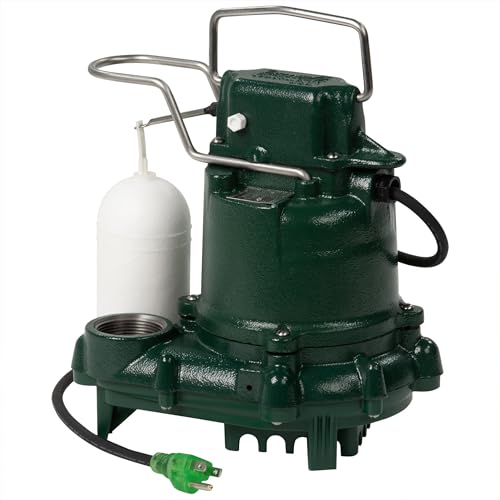
$206.59
Cast-iron workhorse pump that is the basement standard for reliability.
View on Amazon
$379.00
Preassembled primary plus backup pump keeps pumping during power outages.
View on Amazon
$78.29
Pre-drilled pit and lid set the pump in below the basement slab.
View on Amazon
$29.15
Stops backflow on the discharge line and cuts water-hammer noise.
View on AmazonFrequently asked questions
Do I need a French drain or a sump pump?
Often both, because they do different jobs. A drain intercepts groundwater before it reaches the basement and a pump removes what arrives. Which combination is right depends on the water table, the soil, the grading and where water is entering, so a proper diagnosis matters more than picking one. Get more than one assessment, ideally including one from someone not selling the installation.
What is the cheapest fix for a wet basement?
Gutters and grading, by a wide margin. Blocked gutters, downspouts discharging next to the foundation, and ground sloping toward the house are responsible for a great many basement water problems and cost a few hundred dollars to correct. Do these first and watch through a wet season before committing to a five-figure waterproofing job.
How long does a sump pump last?
Commonly around seven to ten years, less with heavy use. They fail, and they usually fail when they are working hardest during a storm, which is also when the power is most likely to be out. A battery backup pump or a water-powered backup is standard practice where a failure would flood a finished basement. Test the pump by pouring water into the pit a couple of times a year.
When should I call a structural engineer instead?
If you see horizontal cracking in a foundation wall, walls bowing inward, stair-step cracking in block, doors and windows out of square, or floors that have moved. Those are structural signs and a waterproofing contractor is not the right professional to assess them. A licensed structural engineer works for you rather than for a repair company, and their report gives you something independent to price work against.